
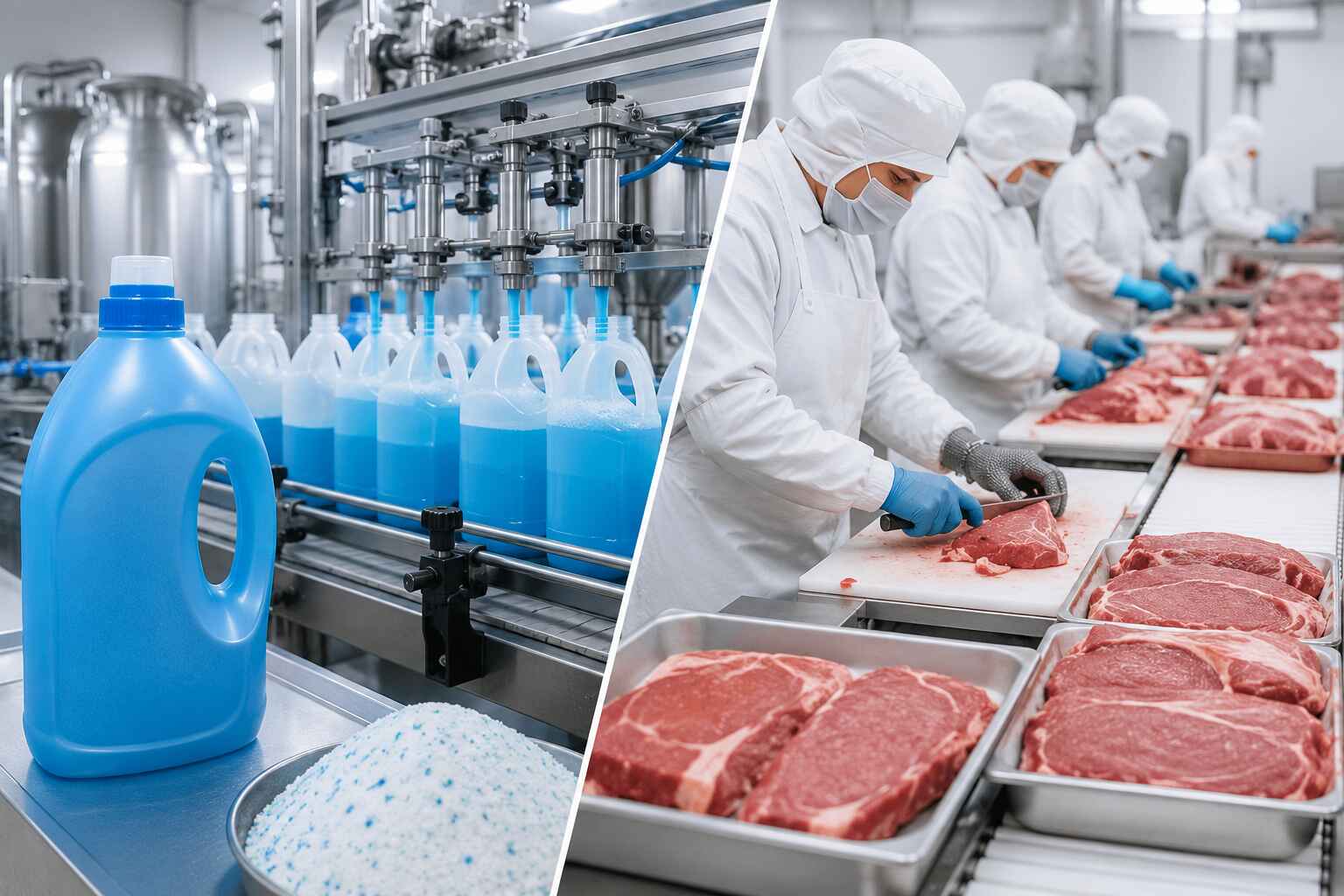
One of the most versatile and in-demand additives and inputs in the global market is sodium tripolyphosphate (also known as pentasodium triphosphate or pentasodium phosphate ).
This compound stands out for its multifunctional capacity, acting as a chelating agent, emulsifier and stabilizer in sectors as diverse as food , detergent production , water treatment and paint manufacturing .
For companies seeking to optimize their production processes with high-purity raw materials, a thorough understanding of this component’s performance is key. This guide will analyze its properties, critical applications, and safety regulations in detail.
What is Sodium Tripolyphosphate?
It is a sodium salt of the penta-anion polyphosphate; its chemical formula is Na5P3O10. Visually, it appears as a white, crystalline or granular powder, highly soluble in water.
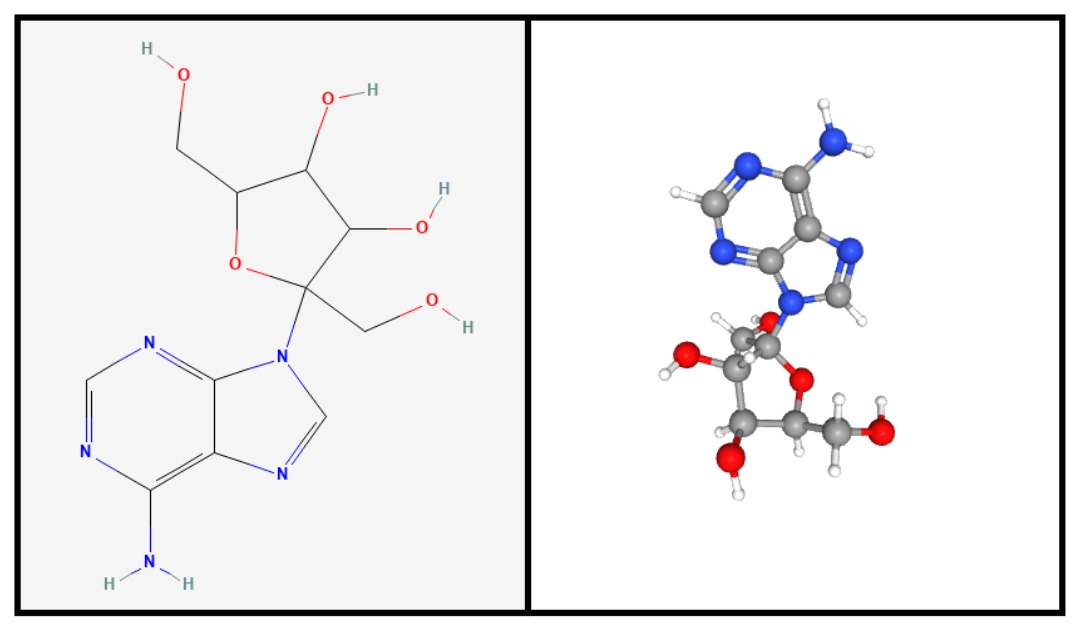
Image: Sodium Tripolyphosphate molecule. Source: PubChem (2026)
Available at: https://pubchem.ncbi.nlm.nih.gov/compound/237254
When mixed with water, this compound releases elements that strongly bind to dissolved minerals and metals in the liquid. This property makes sodium tripolyphosphate an indispensable additive in both general industry and the food industry, as it automatically controls water quality and prevents product ingredients from separating or losing consistency.
Sodium Tripolyphosphate – Safety Data Sheet:
Handling any industrial chemical input requires strict adherence to prevention protocols. It is classified as a low-toxicity, non-flammable substance. However, to maintain a safe working environment, the following handling guidelines should be considered:
- Risk identification: May cause mild irritation through mechanical contact with the eyes or by inhalation of fine dust in enclosed environments.
- Personal protection: The use of safety glasses, nitrile gloves and dust masks is recommended during dosing at the plant.
- Storage: Store in its original sealed packaging in a cool, dry, and well-ventilated place. As it is a hygroscopic substance, it tends to absorb moisture from the environment if left exposed.
Properties of Sodium Tripolyphosphate:
Sequestering and Chelating Capacity
This compound stands out for its high capacity to attract and bind directly to the calcium and magnesium ions present in water. By trapping and neutralizing these minerals, sodium tripolyphosphate eliminates water hardness and prevents limescale buildup in equipment. This allows the other ingredients in the formula to dissolve properly and work with maximum effectiveness.
Dispersing and Deflocculant Action
This property allows the compound to reduce the attractive forces between solid particles within a liquid. Instead of fine components (such as clays, earths, or pigments) clumping together and settling at the bottom, sodium tripolyphosphate separates them and keeps them evenly distributed throughout the fluid, preventing the mixture from settling or becoming damaged.
pH Regulation and Stabilization (Buffer Effect)
The compound acts as a chemical stabilizer or buffer . Its main function is to prevent abrupt changes in the acidity or alkalinity level of the water when other ingredients are added. By maintaining the pH within a constant and optimal range (usually between 9 and 10), it ensures that the entire mixture remains stable and that the active components do not lose their effectiveness over time.
Moisture Retention and Emulsification
In organic and food products, this additive interacts directly with proteins, modifying their structure so they can absorb and retain more water. It also facilitates the stable bonding between the fatty elements and the liquids in the formula. This prevents syneresis, the physical process where fluids separate and the product begins to “sweat” or lose liquid.
High Solubility and Synergistic Compatibility
This powder dissolves quickly and easily in water. Furthermore, it has excellent compatibility with other chemical inputs, such as surfactants. It does not alter the integrity of the other components of the formula; on the contrary, it works synergistically with them to enhance the final product’s performance.
Sodium Tripolyphosphate: What is it used for?
Its presence is key both in the manufacture of everyday consumer products and in various industrial processes. Some of its main applications include:
Sodium tripolyphosphate in sausages and food
In the meat processing industry, its application in the production of hams, sausages, and cooked cured meats is essential for improving the texture and quality of each product. Sodium tripolyphosphate works by helping meat proteins retain moisture more effectively. This prevents the product from losing its juices during cooking and optimizes the final weight of the food, thus improving production yield.
Sodium tripolyphosphate in milk
It addresses the need to protect the product from high temperatures. During intense heat processes such as UHT pasteurization or evaporation, milk proteins can be altered and form lumps. The controlled addition of this component prevents the milk from becoming gelatinous or its components from separating. This maintains an ideal liquid consistency and extends the product’s shelf life.
Sodium tripolyphosphate for cleaning
The hygiene sector is one of the biggest users of this raw material. Its main function is to soften water. This allows cleaning agents to remove dirt instead of losing effectiveness when combined with the minerals in hard water. Furthermore, it keeps dirt floating in the water so it doesn’t re-adhere to clothes or surfaces that have already been washed.
Sodium tripolyphosphate in paints
It plays a very important role in mixing colors. It helps pigments and powders (such as rutile titanium dioxide ) to be distributed evenly throughout the liquid.
By preventing these powders from clumping together and accumulating at the bottom of the container, the additive ensures that the paint color is always the same, that it lasts a long time in storage without being damaged, and that it is applied smoothly to the walls.
Sodium tripolyphosphate in soaps
The addition of sodium tripolyphosphate to bar soaps and bath gels prevents the appearance of those pasty, gray residues that form when ordinary soap is mixed with water that has many minerals.
By immediately neutralizing these elements in water, tripolyphosphate allows soap to lather more, improves its ability to cut through grease and grime, and helps prevent soap bars from cracking or breaking while stored or drying at the factory.
Is sodium tripolyphosphate safe in food?
Yes, it is completely safe. Regarding common questions about whether sodium tripolyphosphate is bad for your health or whether sodium tripolyphosphate is safe in food, leading global health authorities (such as the FDA and EFSA) confirm that food-grade sodium tripolyphosphate poses no risks, provided companies use it within legal limits.
However, manufacturing plants strictly control the side effects of sodium tripolyphosphate in food. Excessive consumption of phosphates in the daily diet could impair calcium absorption in the body or affect kidney function in people with kidney problems. Therefore, its dosage in the food industry is precisely regulated.
Final comments
Sodium tripolyphosphate is a versatile component with ever-increasing demand due to its technical performance and excellent cost-benefit ratio. For manufacturing companies, ensuring a reliable supply with the correct technical specifications and quality certification is essential to maintaining the operational consistency of their production lines.
If you are evaluating the price of sodium tripolyphosphate to optimize your formulation costs, or require specialized technical advice on where to buy with international standards, at SUMICHEM we offer you the logistical and commercial support that your company needs.
We invite you to explore our extensive Raw Materials Catalog , learn more about our distribution standards in the About Us section , or go directly to our Food Category for specific food-grade solutions.
For customized quotes and commercial data sheets, don’t hesitate to contact our team of engineers and consultants. Boost the quality of your formulations with the help of experts! Visit our SUMICHEM homepage to discover all the chemical raw material solutions we offer for your industry.