

In modern industry, there are chemical inputs that stand out for their versatility and their presence in everyday consumer products. One of these cornerstones is citric acid.
Used in food preservation, advanced cosmetic formulations, and oil well treatments, it has become an indispensable organic compound in our daily lives.
In this guide, you will learn what citric acid is used for and what its applications are in the industrial sector.
What is citric acid?
It is a weak tricarboxylic organic acid that occurs naturally in most citrus fruits, mainly lemons, limes, tangerines, and grapefruits.
However, at an industrial level, relying on fruit to obtain this component would be very costly and inefficient. Therefore, most commercial citric acid is produced by fermenting sucrose or glucose sugar with fungi of the Aspergillus niger family . This method yields a high-purity product with optimal performance to meet the demands of the agricultural sector.
Citric acid – Formula
The molecular chemical formula of citric acid is C₆H₈O₇ , and its IUPAC structure is called 2-hydroxypropane-1,2,3-tricarboxylic acid.
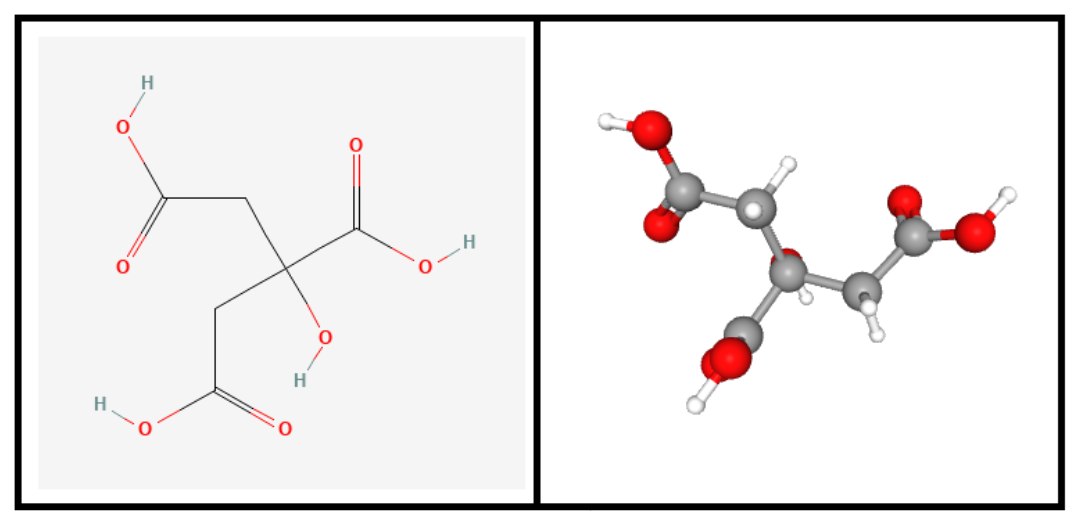
Image: Citric Acid Molecule. Source: PubChem (2026)
Available at: https://pubchem.ncbi.nlm.nih.gov/compound/311
This configuration has three carboxylic groups (–COOH), which gives it excellent stepwise acidity properties and the ability to bind to metal ions (chelating effect), stabilizing mixtures and preventing the degradation of other components in a solution.
What is citric acid like?
In its standard commercial form, citric acid is a translucent or white crystalline solid. It is odorless, which highlights its acidic taste.
It is a substance highly soluble in water and ethanol, and is characterized by being biodegradable and safe for industrial handling under the relevant regulations. Depending on the moisture content and the crystallization method, it is sold in two forms: monohydrate and anhydrous.
Anhydrous citric acid
Anhydrous citric acid is defined as citric acid in powder form that lacks water molecules in its internal structure. This form is obtained by crystallizing the compound from hot aqueous solutions (at temperatures above 37 °C).
The main advantage of anhydrous citric acid is its stability in dry formulations. Because it contains no free water, it is the preferred ingredient for manufacturing powdered products, effervescent mixes, pharmaceutical tablets, and compacted detergents, as it prevents caking and premature chemical reactions within the packaging.
What are the uses of citric acid?
Citric acid has so many uses that it extends to almost every branch of manufacturing. Below, we explore its applications in key industries:
Food industry:
The food industry is the world’s largest consumer of citric acid. By lowering the pH of substances, citric acid enhances the flavors of products and acts as a preservative , limiting the growth of bacteria, molds, and yeasts in preserves, sauces, juices, and sausages.
In the area of confectionery, for example, it is used in the preparation of sweets to control sugar inversion, preventing syrups from crystallizing in an undesirable way.
Cosmetics industry:
In the cosmetics industry it is used as an acidity regulator in shampoos, gels and creams, ensuring that the products are friendly to the pH of the skin and hair.
Pharmaceutical industry:
In the pharmaceutical industry, it is used in the production of effervescent medications and to mask the bitter taste of certain active ingredients.
Oil industry:
In the petroleum industry processes , it is used as an iron control agent during acidizing operations to prevent the precipitation of ferrous compounds, which could clog the pores of the rock formation.
Manufacturing industry (Cleaning products):
It is a key ingredient in water softeners, eco-friendly cleaners and dishwashers because of its ability to dissolve calcium carbonate.
Animal nutrition industry:
It is integrated into food formulations as an intestinal acidifier, which makes nutrients easier to digest and prevents the growth of pathogenic bacteria in the food.
Final comments
Citric acid is a fundamental compound in the industry due to its high biodegradability and its various functional properties, which allow for optimizing the quality and duration of a wide range of products.
If your company requires large-scale supply and you need to know where to obtain quality citric acid , Sumichem offers distribution of this raw material. We guarantee a reliable and efficient supply for your production line.